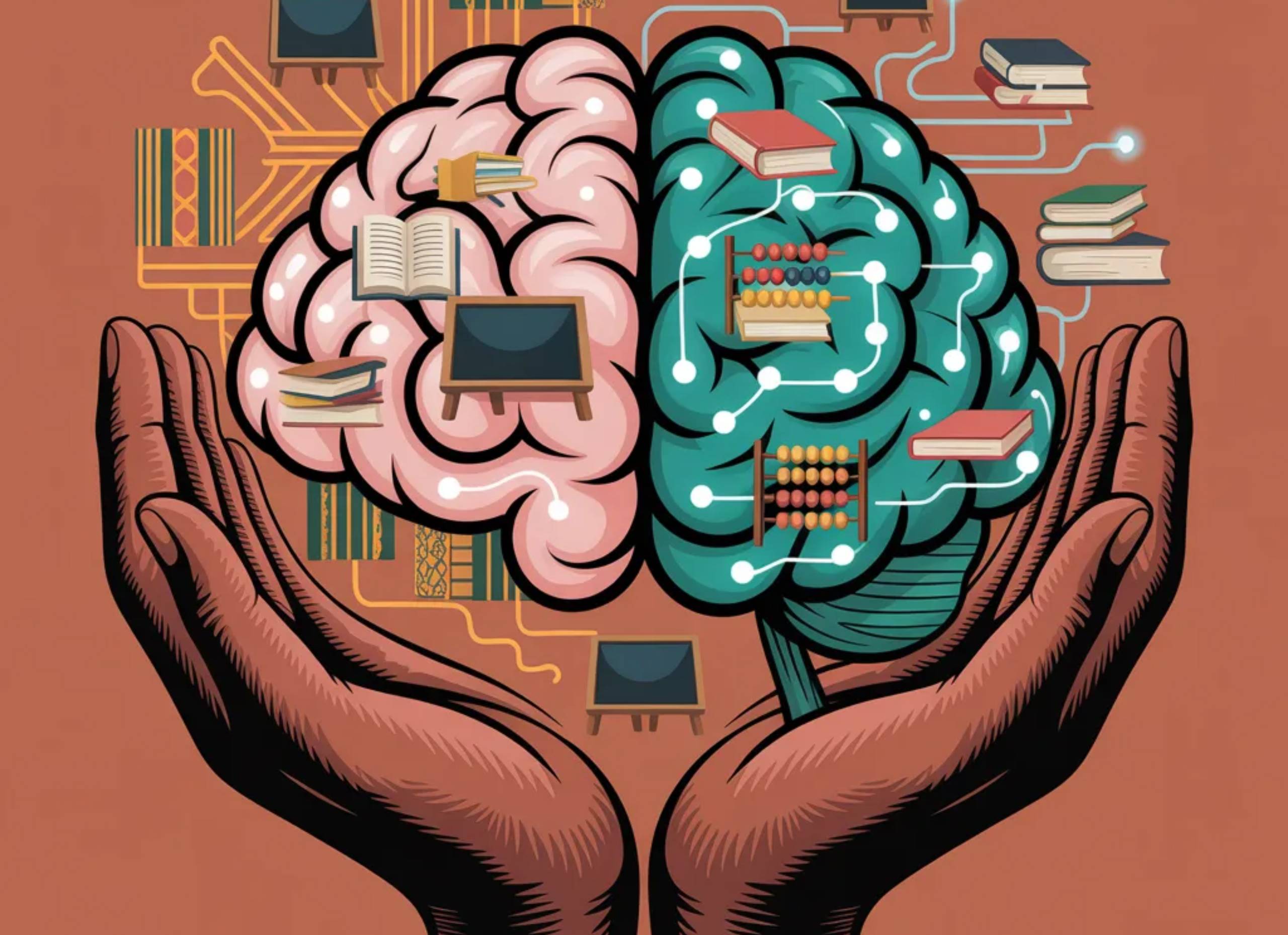
The Truth About AI in Education – And How Stakeholders Can Use It Wisely
AI. Some people love it. Some fear it. Most don’t really understand it. But one thing is certain: AI is already part of our classrooms, our homework, and our everyday lives. And instead of worrying, it is time to understand how students can use it wisely, safely, and responsibly.
What Exactly Is AI?
AI is a kind of smart computer technology that can learn, think, make decisions, and generate output much faster than a human, helping us do things faster and more easily. It can research any topic in seconds, help write content, translate languages, create graphics, explain math problems clearly, diagnose patterns in data, write code, analyze trends, provide useful insights, summarize information, supports safety measures, guide learning, and even contribute to innovations and other advancements, and more.
It is like a super-smart assistant that is awake 24/7, ready to help you understand more, solve problems, and explore new ideas whenever you need it.
Why Is AI in Education Such a Big Deal?
AI is changing the way we learn and teach. From helping teachers organize lessons to guiding students step by step, AI makes learning personal, safe, fun, and productive. It adapts to different learning styles, lets learners study at their own pace, and makes creating notes, study plans, presentations, and other materials quick and easy. Students can practice with quizzes, get instant feedback, and track their progress in real time, focusing on areas that need attention. AI also expands access by translating languages, recommending useful resources, and keeping harmful content away.
But Should Parents Worry?
AI can make kids lazy if it is misused, but the real risk is not teaching them how to use it responsibly. When guided the right way, AI becomes a powerful tool that builds confidence, sparks curiosity, boosts creativity, strengthens problem-solving skills, and encourages independence. It can help kids explore new ideas, learn faster, and tackle challenges on their own, while still having support when they need it. The key is balance – teaching children to use AI as a smart assistant, not a shortcut, so they develop real skills, critical thinking, and the readiness to face the future.
The Smart Way Students Should Use AI
Here are some simple rules that turn AI from a shortcut into a superpower:
Use AI to learn, not to copy: Ask AI to explain, simplify, or give examples. But don’t copy- paste answers. If you do, your brain won’t grow.
Ask AI questions the same way you would ask a teacher
“What does this mean?”
“Can you explain this step?”
“How do I solve this?”
Remember, good questions = good learning.
Use AI for practice, not cheating: AI can generate practice tests, flashcards, and summaries. That’s smart. But letting AI do your assignments for you? That only hurts you.
Protect your privacy: Never share personal info like your school, home, or phone number. AI is powerful – but online safety is more important.
Think after AI answers: Just because AI says something doesn’t mean it’s always right. Smart students doublecheck, think, and compare.
Why Teachers Should Embrace AI, Not Fear It
AI does not replace teachers – it supports them by giving them more time to focus on what matters most: helping students learn and grow. With AI, teachers can work smarter, connect more meaningfully with learners, and make lessons more exciting and effective. By using AI, teachers can:
Prepare lessons faster with ready-made resources and ideas.
Create practice quizzes to help students master concepts.
Personalize learning for each student’s pace and style.
Track learner progress easily and identify who needs extra support.
Save time on repetitive tasks, so they can spend more energy inspiring and guiding learners.
How Parents Can Support AI Learning at Home
Parents don’t need to be tech experts to help their children benefit from AI. Just follow three simple steps:
Guide children on safe, positive, and responsible ways to use AI.
Monitor the tools and apps they are using to make sure they are appropriate and helpful.
Encourage learning, creativity, and problem-solving, rather than relying on shortcuts.
When parents show curiosity and interest in AI, children are more likely to use it responsibly, stay engaged, and develop skills that will help them learn smarter, think critically, grow confident, and apply technology in productive ways.
Will AI Replace Jobs in the Future?
AI will change jobs, but it won’t replace all of them. Instead, it will transform how we work, acting as a tool that helps people work faster, smarter, and more efficiently. AI is most likely to take over tasks that are repetitive, routine, or data-heavy, freeing people to focus on work that truly needs human skills. Jobs that rely on creativity, emotional intelligence, critical thinking, and human interaction are much harder for AI to replace. The key to the future is learning to work with AI – using it to boost skills, solve problems, and create opportunities instead of fearing it.
What This Means for Students Today
Students need to start learning digital and AI skills early, because those who understand AI will have a big advantage in the world they are growing up in. When students use AI wisely, they can:
Learn faster and grasp concepts more easily.
Understand better through clear explanations and personalized guidance.
Explore more ideas, topics, and opportunities.
Become more creative by generating new ideas and solutions.
Discover new career paths in a tech-driven world.
Stay ahead in a fast-changing, competitive environment.
Reflection
The future of education is not man versus machine. It is man and machine working together to build smarter, more confident learners. The students who will thrive in the future are not the ones who fear AI, but the ones who learn to work with it, grow with it, and use it wisely.
Written by Elymica Editorial · Editorial Team
← More from the Journal